 Skip to content


How to Conduct Market Research for Your Business Plan: A Step-by-Step Guide
20th March 2025
Market research isn’t just a box to tick – it’s the secret weapon behind every successful business plan. Think of it as your crystal ball, revealing what customers want, where competitors fall short, and where your big opportunity lies. Done right, it transforms guesswork into strategy, giving you the insights to turn your vision into a business that investors can’t resist. Ready to uncover the data that drives decisions? Read on…
Don’t forget, we can help you prepare all of the assets you need to find and secure investment. Find out more about our investment readiness programme here.
1. Define your goals
Market research without clear goals is like setting out on a journey without a destination. Defining what you need to achieve ensures that your efforts are focused, efficient and aligned with the larger objectives of your business plan. Whether it’s uncovering customer pain points, understanding industry dynamics, or pinpointing market trends, clear goals turn vague intentions into actionable insights.
How to do it:
Start by asking yourself what you need to know to make informed decisions. Break this into specific, targeted questions. For example:
- Who is my ideal customer and what do they value most?
- What are the biggest problems or unmet needs in my market?
- How do my competitors operate and where can I gain an edge?
These questions will act as your compass, guiding the methods you choose and the data you collect. Document your goals and prioritise them based on their importance to your business plan. By the end of this step, you’ll have a roadmap for your research that keeps you on track and ensures nothing important slips through the cracks.

2. Identify your target market
Your target market is the foundation of your business strategy. Knowing who you’re serving allows you to shape your product or service to align with their needs, preferences and expectations.
How to do it:
Start by segmenting your audience using key criteria:
- Demographics: Consider measurable factors such as age, gender, income level, education and occupation.
- Geographics: Identify where your target audience is located, whether it’s local, national, or international.
- Psychographics: Dive deeper into their values, interests, lifestyles and behaviours to understand what motivates them.
Once you’ve gathered this data, build detailed customer personas – fictional but realistic representations of your ideal customers. For example, “Sophie, a 35-year-old professional living in London, values sustainability and prefers high-quality, ethically sourced products.” These personas help you visualise your audience and tailor your messaging to resonate with them effectively.
Finally, use tools like surveys, focus groups and social media analytics to validate your assumptions. The more precise you can be about your target market, the better equipped you’ll be to meet their needs – and secure their loyalty.
EXPLORE: Market Research for Startups
3. Analyse your competition
To capture investor interest – and ultimately market share – you need to show how your business is distinct. Analysing your competition gives you a clear understanding of the landscape you’re entering, helping you identify opportunities to differentiate yourself. It also highlights potential threats, allowing you to refine your strategy and avoid pitfalls. Investors want confidence that you’ve done your homework and have a plan to outshine the competition.
How to do it:
Start by identifying both direct competitors (businesses offering similar products or services to the same audience) and indirect competitors (those solving the same problem in different ways). Create a list of these companies and dig into key areas such as:
- Products and services: What do they offer? What are their unique features or benefits?
- Pricing strategies: How do they price their products? Are they competing on cost, quality, or something else?
- Customer reviews: What do people love – or hate – about their offerings? This can reveal gaps or weaknesses to exploit.
- Marketing efforts: Study their advertising, social media presence and branding. How do they position themselves and what tone do they use?
- Online visibility: Analyse their website, search engine rankings and content strategy to gauge their digital strength.
Use tools like SWOT analysis (Strengths, Weaknesses, Opportunities, Threats) to organise your findings. Pay close attention to gaps they may have overlooked – these are golden opportunities to carve out your niche. For example, if competitors overlook a specific customer pain point or market segment, your business can step in to fill that void.
By the end of this analysis, you should have a comprehensive understanding of where your competitors excel, where they falter and how your business can stand apart. Investors will be reassured that your business isn’t just entering the market – it’s entering with purpose.
DOWNLOAD: Competitor Analysis Business Plan Template
4. Choose your research methods
A well-rounded understanding of your market comes from gathering insights from multiple angles. By combining different research methods, you can cross-verify findings, uncover deeper insights and ensure that your conclusions are accurate and actionable. Investors appreciate a robust approach to market research, as it demonstrates thoroughness and reliability.
How to do it:
Primary research
This involves collecting original data directly from your target audience. Use methods such as:
- Surveys: Quick and scalable, surveys help you gather quantitative data on customer preferences, habits and challenges.
- Interviews: One-on-one conversations allow you to explore customer needs and attitudes in depth.
- Focus groups: Engage small groups of your target audience to uncover shared opinions and uncover unexpected insights.
- Observation: Watch customer behaviour in real-world settings (e.g., shopping patterns or product usage) to identify trends and pain points.
Secondary research
Leverage existing information that has already been collected and analysed. Sources include:
- Industry reports: Get a big-picture view of market trends, size and growth potential.
- Government publications: Access demographic data, economic trends and other macro-level statistics.
- Trade associations: Explore niche insights and expert commentary specific to your industry.
- Online databases: Use platforms like Statista, IBISWorld, or market research libraries to access detailed data and analysis.
Blend these methods to gain both broad market trends and specific customer insights.
5. Gather customer insights
Your customers hold the answers to whether your business idea will thrive or falter. Their opinions, preferences and behaviours reveal what resonates, what frustrates and what they truly need. By understanding your customers on a deeper level, you can design products and services that fit seamlessly into their lives. These insights not only shape your business but also demonstrate to investors that your decisions are grounded in real-world evidence.
How to do it:
Surveys and questionnaires
Design concise, targeted surveys to uncover key insights from your audience. Ask questions that reveal habits, preferences and pain points.
Interviews
Take the time to speak directly with potential customers. These one-on-one conversations are an opportunity to ask open-ended questions that dig into their frustrations, needs and desires. Encourage participants to share personal experiences, as these stories often highlight gaps or opportunities you might not have considered.
Social media and forums
Explore Facebook groups, Instagram hashtags, Twitter threads, or niche forums like Reddit. Observe the conversations they’re having – what they’re complaining about, what excites them and the language they use.
READ: 6 effective ways to collect customer feedback that will grow your business
6. Analyse market trends
Markets are constantly evolving and businesses that adapt to change are the ones that thrive. Analysing trends allows you to identify emerging opportunities before they become mainstream, giving your startup a competitive edge. Whether it’s a shift in consumer behaviour, technological advancements, or industry-wide changes, staying ahead of the curve ensures your business remains relevant and ready to meet new demands. Investors, too, are drawn to businesses that anticipate trends and are prepared to capitalise on them.
How to do it:
- Track industry reports
- Monitor news outlets
- Study consumer behaviour patterns
- Observe social and cultural movements
By analysing market trends, you’ll not only understand where the industry is headed but also position your business to ride the wave of emerging opportunities. This forward-thinking approach reassures investors that your startup is agile, innovative and ready to thrive in a dynamic landscape.
7. Interpret your data
Data on its own is just noise. To make it meaningful, you need to extract insights that inform your decisions and shape your strategy. Investors aren’t impressed by raw numbers – they want to see how those numbers translate into opportunities and solutions. By interpreting your data effectively, you turn abstract findings into a clear roadmap for action.
How to do it:
A. Spot patterns and trends
Review your findings for recurring themes or consistent feedback. For example, do many customers cite the same frustration? Are there commonalities in what competitors are doing – or not doing? Identifying these patterns can highlight areas of opportunity or risk.
B. Analyse correlations and anomalies
Look for relationships between data points that reveal cause and effect. For instance, does a specific demographic show more interest in your product? Anomalies, such as unexpected behaviour or preferences, can also provide surprising insights that help you stand out in the market.
C. Organise into categories
Break your data into manageable chunks that align with key business areas, such as market size, customer preferences, pricing insights, or competitor strategies. This structure makes it easier to draw conclusions and integrate findings into your business plan.
D. Visualise your data
Use charts, graphs and infographics to bring clarity to complex information. Visual tools make patterns and insights more immediately apparent, helping both you and potential investors understand the story your data is telling.
E. Translate findings into actions
The goal isn’t just to summarise the data but to answer critical questions. How does this insight affect your pricing strategy? What changes should you make to your product? Where can you focus your marketing efforts?
By turning data into actionable insights, you not only improve your decision-making but also build confidence with stakeholders and investors.
READ: Let Data Tell Your Story
8. Validate your business idea
Before investing time, money and resources into your venture, you need to be certain that your business idea holds water. Market validation ensures there’s a genuine demand for your product or service and confirms that your target audience values your solution. It’s the ultimate test of whether your research translates into a viable opportunity, saving you from costly missteps and giving investors the confidence to back your vision.
How to do it:
Compare your findings to your assumptions
Start by revisiting the initial hypotheses you had about your business. Did your research confirm what you believed about your target market, their needs and your competitors?
Assess market size and demand
Use your research to estimate the number of potential customers in your target market. Are there enough people interested in what you’re offering to make your business profitable? This step helps you gauge whether your idea has the potential to scale.
Evaluate customer value
Look critically at the feedback you gathered. Do potential customers see your product or service as a “must-have” solution to their problems, or is it just a “nice-to-have”? If enthusiasm is lukewarm, you may need to refine your offering.
Check for market growth potential
A stagnant market is rarely attractive to investors. Analyse your research for signs of growth, such as emerging trends, shifting consumer behaviours, or underserved demographics that could expand your customer base over time.
Test the waters
If possible, pilot your product or service with a small audience to gather real-world feedback. This could involve launching a beta version, setting up a crowdfunding campaign, or offering pre-orders to gauge interest.
If your research identifies gaps or challenges, that’s not a failure; it’s an opportunity to adjust and improve. By the end of this process, you’ll have a business idea that’s not only solid but also ready to face the competitive market.

How To Raise Capital For Your Business
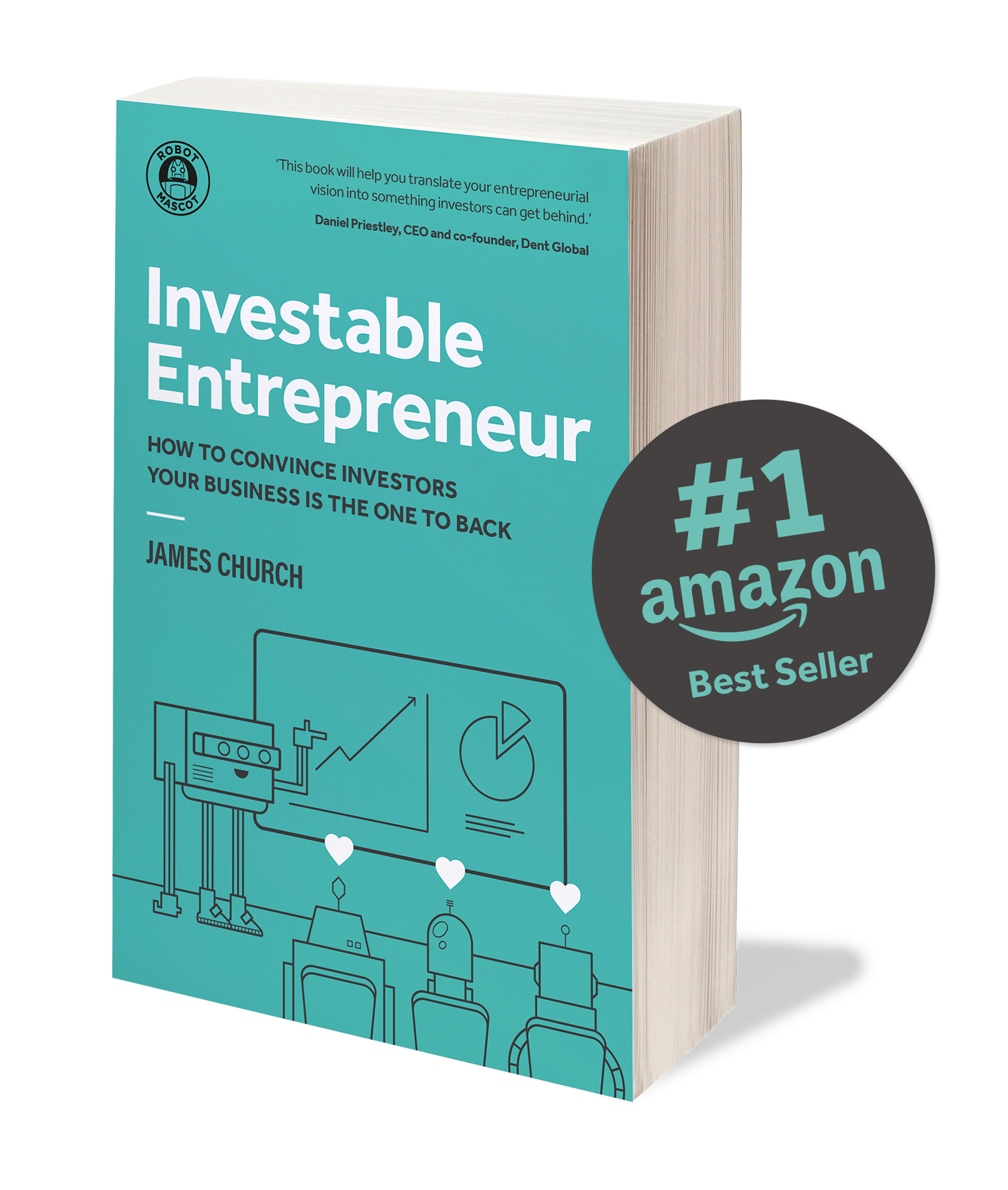
Investable Entrepreneur takes you through our winning methodology – the process we use to increase our client’s chances of raising investment by more than 30x.
“This book will help you translate your entrepreneurial vision into something investors can get behind.”
Daniel Priestley, CEO and founder, Dent Global and four times best-selling business author
Recent Posts


Keep up to date with what we’re up to via email





Copyright ©Robot Mascot Ltd. All rights reserved.